

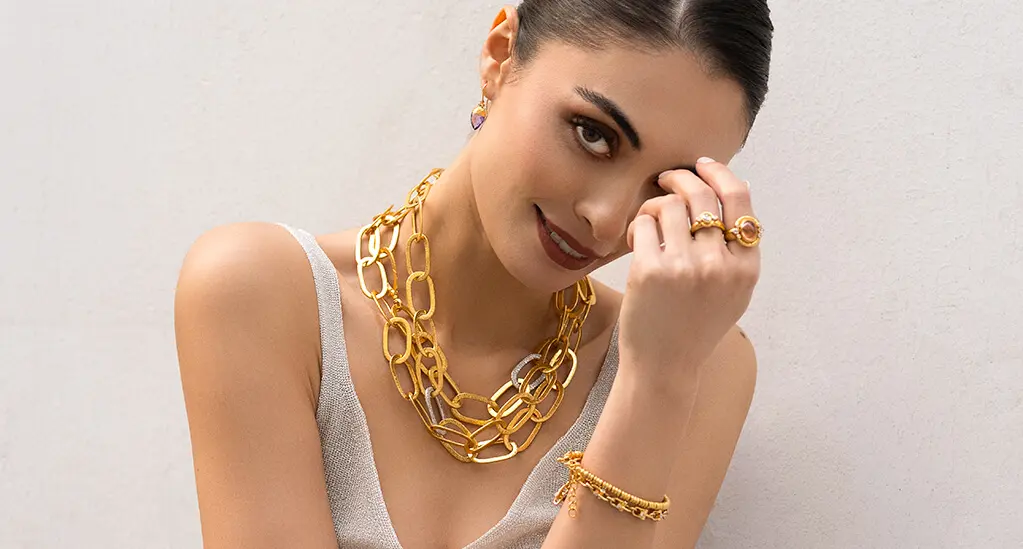
The modern fashion landscape is undergoing a dramatic transformation, and nowhere is this shift more evident than in the world of jewelry. For several years, fashion trends favored quiet luxury and hyper-minimalist aesthetics, characterized by delicate wire chains, microscopic stud earrings, and barely visible stacking rings. Today, however, accessories are reclaiming their status as the main event rather than a subtle afterthought. Jewelry has evolved into a primary vehicle for individuality, creative expression, and artistic storytelling.
Contemporary jewelry trends encourage wearers to step outside rigid styling rules and embrace bold, character-rich pieces. Runway collections and global street styles feature unexpected textures, oversized silhouettes, and eclectic combinations of precious metals and raw stones. Whether through heavy sculptural metals, reimagined vintage classics, or vibrant explosions of color, today’s top jewelry trends are completely redefining how we approach daily dressing.
Sculptural Silver and Architectural Metals
While yellow gold dominated the accessory market for a decade, silver and cooler-toned metals have made a powerful comeback. However, this renaissance is not about delicate sterling silver bands. The current focus centers on heavy, sculptural metalwork that resembles wearable modern art.
Designers are crafting pieces with significant weight, fluid contours, and structural presence. Key elements of this movement include:
- Domed Cuff Bracelets: Wide metal cuffs with smooth, mirrored finishes or hammered surfaces that wrap firmly around the wrist or over coat sleeves.
- Liquid Metal Forms: Necklaces and rings engineered to look like molten silver or gold flowing across the skin, creating an organic yet futuristic aesthetic.
- Architectural Chokers: Thick collar necklaces featuring sharp geometric angles, hollowed curves, and substantial tactile weight.
These architectural metal pieces serve as structural anchors for an outfit. They pair effortlessly with minimalist clothing, turning a basic white shirt or an unadorned black dress into a high-fashion statement.
Statement Earrings Paired with Bare Necks
Earrings have taken center stage as the defining accessory of the decade. The dominant aesthetic on global red carpets and street style feeds involves pairing dramatic, shoulder-skimming earrings with a completely bare neck and collarbone.
Instead of wearing matching jewelry sets, fashion enthusiasts are letting large earrings carry the entire visual weight of an outfit. Popular styles driving this trend include:
- Shoulder-Duster Drops: Elongated drop earrings featuring cascade crystals, polished metal discs, or colorful gemstones that brush the shoulders.
- Chunky Sculptural Hoops: Thick, hollowed-out hoop designs that offer maximum visual volume without pulling heavily on the earlobe.
- Oversized Floral Motifs: Three-dimensional metal or resin flowers that add a romantic yet structural touch to tailored suiting.
Leaving the neck bare creates a striking frame around the neck and jawline, allowing oversized earrings to command full attention without competing with necklaces or heavy collars.
Modernized Pearls and Asymmetrical Forms
The traditional strand of uniform, perfectly round white pearls has been completely reimagined for the modern era. Pearl jewelry has shed its conservative, vintage-only reputation in favor of edgy, asymmetrical, and gender-neutral designs.
Contemporary pearl jewelry focuses on natural imperfection and unexpected pairings:
- Baroque Pearl Pendants: Uniquely shaped, irregular freshwater pearls hung from thick gold link chains or dark leather cords.
- Pearl and Metal Fusions: Necklaces and bracelets that split down the middle, pairing a traditional pearl strand on one side with a heavy industrial chain on the other.
- Mixed Media Chokers: Chokers combining raw pearls with oxidized silver spacers, colorful beads, or rustic charm details.
This modern treatment of pearls brings a youthful, rebellious energy to a classic gem, making it suitable for both casual streetwear and formal evening wear.
The Re-Emergence of Thoughtfully Styled Brooches
Once considered an outdated accessory reserved for vintage sweater lapels, the brooch is experiencing a major fashion revival. Modern designers and stylists are redefining how and where brooches are worn, transforming them into versatile art pieces for all genders.
Rather than pinning a single brooch haphazardly to a jacket lapel, contemporary styling emphasizes deliberate placement and artistic expression:
- Cluster Pinning: Grouping three or four distinct brooches of varying sizes along the shoulder line or hip fold of a jacket.
- Waistline Accents: Securing a large jeweled or sculpted brooch at the center of a belted dress, skirt waistband, or coat closure.
- Knitwear and Collar Highlights: Fastening structural silver or vintage enamel pins to high-neck sweater collars, scarves, or the lapels of oversized coats.
Brooches offer a level of creative freedom that few other accessories can match, allowing wearers to transform plain outerwear into personalized, one-of-a-kind garments.
Vibrant Gemstones and Maximalist Color Stories
Monochromatic jewelry collections are making room for rich, expressive color palettes. Designers are embracing vibrant gemstones, hand-painted enamel, and multi-hued crystal arrangements to evoke emotion and personality.
Instead of sticking to clear diamonds or subtle pastel accents, current collections highlight deep, saturated tones:
- Rich Green Emeralds: Deep green stones set in warm yellow gold or brushed brass settings for a dramatic visual contrast.
- Saturated Blue Sapphires and Topaz: Striking cobalt and ocean-blue gems incorporated into cocktail rings and drop pendants.
- Cluster Gemstone Rings: Bold rings featuring multiple contrasting stone shapes and colors clustered together on a single wide band.
Mixing different stone colors within a single outfit or jewelry piece allows individuals to build playful, customized looks that break away from traditional matching rules.
Mixed Metal Layering and Mixed Textures
The old fashion rule that strictly forbade mixing yellow gold with silver or rose gold is entirely obsolete. Modern styling thrives on intentional contrast, encouraging individuals to mix metals, surface finishes, and chain textures freely.
Combining different materials creates depth, character, and visual intrigue. To execute this look seamlessly, fashion leaders rely on several key techniques:
- Dual-Tone Anchors: Incorporating at least one multi-tone piece, such as a watch or link bracelet that features both gold and silver, to tie the rest of the look together naturally.
- Textured Stacking: Layering smooth, high-shine gold chains alongside oxidized silver links, hammered bands, or braided cords.
- Graduated Stacking: Stacking rings or neck chains in order of weight and length, blending warm and cool tones evenly throughout the stack.
Mixing metals eliminates the restriction of choosing a single color palette, making your entire jewelry collection far more versatile and adaptable.
Vintage Revivals and Heirloom-Inspired Keepsakes
As consumer demand for unique, sustainable, and story-driven fashion grows, vintage and antique-inspired jewelry has surged in popularity. Wearers are seeking out pre-loved heirlooms, archival museum pieces, and new creations designed with antique finishes.
Key elements defining the heirloom trend include:
- Locket Necklaces: Oval or rectangular brass and gold lockets featuring intricate hand-engraved scrollwork or Victorian-inspired motifs.
- Weathered and Oxidized Finishes: Metals treated to look aged, darkened, or weathered by time, adding a sense of history and depth.
- Coin Pendants: Authentic or reproduction ancient coin necklaces layered together at varying lengths.
These pieces bring a sense of nostalgia and personal history to modern wardrobes, ensuring that the wearer’s style feels curated over time rather than purchased off a single store rack.
Frequently Asked Questions
How can someone determine if warm gold or cool silver flatters their natural skin tone?
To determine which metal tone highlights your natural skin undertones, look at the veins on the inside of your wrist in natural light. If your veins appear green, you likely have warm undertones, making yellow gold and brass highly flattering. If your veins appear blue or purple, you have cool undertones, which complement silver, platinum, and white gold. If you see a mix of both, you have neutral undertones and can wear all metal colors effortlessly.
What are the best methods for cleaning and preserving textured or oxidized metal jewelry?
Textured, hammered, or intentionally oxidized jewelry requires gentle care to maintain its unique surface finish. Avoid harsh chemical cleaners or abrasive polishing cloths that can scrub away intentional oxidation or dull textured surfaces. Clean these pieces using warm water mixed with a few drops of mild dish soap, using a soft-brilled toothbrush to reach into crevices. Rinse thoroughly with clean water and pat completely dry with a lint-free cloth.
How can professionals incorporate bold statement jewelry into conservative office dress codes?
To wear bold jewelry in a conservative work environment, select a single focus piece rather than wearing multiple large items at once. Pair a sleek sculptural cuff bracelet with a tailored blazer, or wear a structured architectural necklace over a crewneck sweater. Keep the rest of your accessories minimal and opt for refined finishes like polished gold or smooth silver to maintain a professional appearance.
What role does jewelry play in defining gender-neutral and unisex contemporary fashion?
Jewelry has become one of the most accessible categories for gender-neutral styling. Contemporary collections design chunky chain necklaces, signet rings, pearl strands, and cuff bracelets with universal proportions meant for anyone to wear. By focusing on raw texture, scale, and clean geometric lines rather than traditional gender tropes, modern jewelry encourages personal expression across all gender identities.
How can traveling fashion enthusiasts protect delicate or heavy statement pieces while on the move?
When traveling, store each piece of jewelry in its own soft microfiber pouch or partitioned jewelry organizer to prevent pieces from scratching one another. Thread thin delicate chains through drinking straws before clasping them to prevent tangling. For heavy sculptural cuffs or wide brimmed pieces, pack them surrounded by soft clothing items in the center of your suitcase to cushion them against impact.
What is the difference between solid gold, gold-filled, and gold-plated jewelry in terms of longevity?
Solid gold contains gold alloy throughout and will never tarnish, wear down, or change color, making it the most durable option for everyday wear. Gold-filled jewelry features a thick layer of gold mechanically bonded to a base metal core, offering strong resistance to tarnishing and lasting for many years with proper care. Gold-plated jewelry consists of a very thin layer of gold electroplated over base metal, which can wear off over time with frequent exposure to water, sweat, and friction.
How can short or petite individuals wear oversized jewelry pieces without feeling overwhelmed?
Petite individuals can easily wear statement jewelry by managing proportion and placement. Choose one bold piece that draws the eye toward a central focal point, such as a strong pair of earrings or a single sculptural cuff. Avoid wearing multiple large items simultaneously, and ensure necklines remain clean and uncluttered so the jewelry accentuates your frame rather than shortening your vertical lines.