

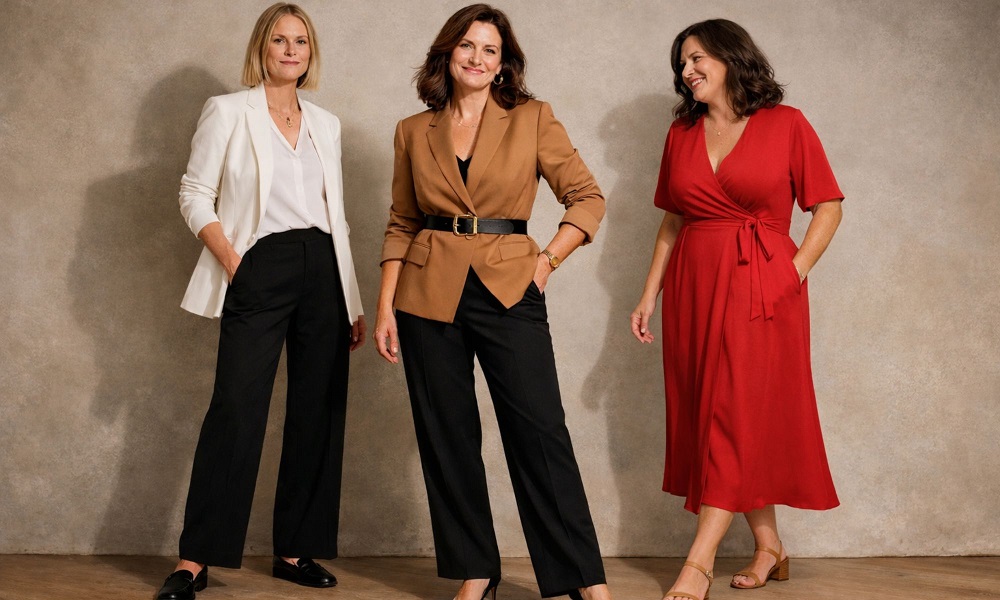
Dressing well is not about following every fleeting trend or trying to fit into a standardized size. True style comes from understanding your unique proportions and choosing garments that highlight your best features while creating balance across your overall frame. When you know how to dress for your specific body shape, shopping becomes easier, outfit assembly becomes faster, and your daily confidence increases significantly.
Many people make the mistake of buying clothes simply because they look appealing on a mannequin or a model. However, garments are engineered to interact with specific curves, angles, and proportions. Learning how to select pieces based on your individual silhouette allows you to construct a functional wardrobe that consistently looks tailored and intentional.
Understanding Your Silhouette
Before you can select flattering garments, you must accurately identify your body shape. Body shape is determined by your bone structure and where your body naturally distributes weight, rather than your overall weight or height.
To determine your shape, take three primary measurements using a flexible tape measure: the fullest part of your bust, the narrowest part of your waist, and the fullest part of your hips. Keep the tape level and snug against your body without pulling it tight.
The five primary body shapes include:
- Hourglass: Your bust and hips are roughly equal in width, and your waist is defined and significantly smaller.
- Pear (Triangle): Your hips and thighs are wider than your shoulders and bust, often with a clear waist definition.
- Inverted Triangle: Your shoulders or bust are noticeably broader than your hips and waist.
- Rectangle (Athletic): Your bust, waist, and hips are of similar width, with little natural waist definition.
- Apple (Round): Your torso is full, with weight concentrated around your midsection, often accompanied by a broader chest and slender legs.
Once you identify which category closely aligns with your measurements, you can apply tailored styling strategies to optimize your everyday wardrobe choices.
Styling Strategies for the Hourglass Figure
The main objective for an hourglass shape is to highlight the natural waistline without adding unnecessary bulk around the bust or hips. Because your top and bottom halves are naturally balanced, structure is your best asset.
Tops and Jackets
Opt for fitted or tailored tops that follow the contour of your waist. Wrap tops, sweetheart necklines, V-necks, and scoop necklines showcase your chest without overwhelming it. Single-breasted tailored blazers that nip in at the waist are ideal. Avoid oversized, boxy tops that hide your waist, as they can make you appear larger overall.
Bottoms and Dresses
High-waisted trousers and jeans complement your natural waistline seamlessly. Straight-leg, wide-leg, and bootcut pants offer a clean line from hip to hem. Pencil skirts, wrap dresses, and fitted sheath dresses follow your natural proportions cleanly. Ensure belt choices align with your narrowest point to maintain visual balance.
Styling Strategies for the Pear Figure
For a pear-shaped body, the goal is to draw visual attention upward toward the neck and shoulders while allowing garments to glide smoothly over the hips and thighs.
Tops and Jackets
Focus on detail around the upper body. Structured shoulders, boat necks, cowl necks, and statement sleeves bring balance to wider hips. Bright colors, bold patterns, and textured fabrics work exceptionally well on your upper half. Choose jackets that end right above the hip bone or extend down to mid-thigh level; avoid jackets that cut off exactly at the widest point of your hips.
Bottoms and Dresses
Select flat-front, dark-wash jeans and trousers with straight or wide legs to create an elongated line down your lower body. A-line skirts and fit-and-flare dresses are ideal choices because they cinching gently at the waist and flare out gracefully over the hips without clinging.
Styling Strategies for the Inverted Triangle Figure
When your shoulders or bust are wider than your hips, the goal is to add volume, shape, or visual interest to your lower half while keeping your top half streamlined.
Tops and Jackets
Stick to clean, simple lines on top. V-necks, deep scoop necks, and vertical stripes create a lengthening effect that softens broad shoulders. Unstructured shoulders, raglan sleeves, and simple cardigans are ideal. Avoid shoulder pads, boat necks, puff sleeves, and heavy embellishments on your tops.
Bottoms and Dresses
Use your lower half to experiment with colors, prints, and volume. Wide-leg trousers, cargo pants, pleated skirts, and printed bottoms visually balance your broad shoulders. Peplum tops, A-line skirts, and tier-layered dresses add volume exactly where it is needed to construct a harmonious silhouette.
Styling Strategies for the Rectangle Figure
With a rectangle figure, your shoulders, waist, and hips line up evenly. The primary styling goal is to create the illusion of curves and define a distinct waistline.
Tops and Jackets
Create dimension through necklines, fabrics, and layering. Scoop, sweetheart, and round necklines break up a straight torso. Tops with ruffles, pleats, or breast pockets add welcome texture and depth. Belts are vital tools for a rectangle shape; wear them over cardigans, dresses, or high-waisted bottoms to pull the waist inward.
Bottoms and Dresses
Trousers with pleats, pockets, or flare leg cuts build shape around your lower half. Fit-and-flare dresses, wrap dresses, and pleated skirts naturally simulate an hourglass structure. Belting a shift dress or wearing high-waisted pants with a tucked-in blouse breaks up the long vertical plane of your body effectively.
Styling Strategies for the Apple Figure
An apple body shape features a dominant upper body with minimal waist definition and slim legs. The objective is to elongate the torso, pull attention toward your legs and chest, and create a smooth line down your midsection.
Tops and Jackets
V-neck tops are highly effective for apple shapes because they draw the eye vertically. Empire waist tops, tunic styles, and flowy blouses that drape loosely over the midsection provide comfort while creating a flattering drape. Longline blazers, dusters, and open cardigans worn unbuttoned create strong vertical lines that visually slim the torso.
Bottoms and Dresses
Show off your legs with hemlines that hit right at or slightly above the knee. Straight-leg, bootcut, and wide-leg trousers balance your fuller upper body. Shift dresses, empire-waist dresses, and wrap dresses crafted from sturdy, high-quality fabrics create shape without clinging tightly to the stomach area.
Universal Rules for Proper Fit and Fabric Choice
Regardless of your specific body shape, basic principles of garment construction and fit apply across all wardrobes:
- Invest in Quality Tailoring: Off-the-rack clothing is designed for generalized averages. Taking garments to a tailor to adjust waistbands, hem lengths, or sleeve widths makes an inexpensive piece look high-end.
- Choose the Right Fabrics: Heavier fabrics like wool, denim, and structured cotton hold their own shape and smooth out lines. Lighter fabrics like silk, jersey, and rayon drape softly, making them great for gathering and layering.
- Prioritize Foundation Garments: Well-fitting undergarments alter how clothes sit on your body. Correctly fitted bras lift the chest, elongate the torso, and improve posture instantly.
Frequently Asked Questions
How do I dress if I fall between two different body shapes?
It is very common to combine features of two body shapes, such as a pear and an hourglass combination. Focus on addressing your dominant features first. Apply the guidelines for your upper body from one shape category and the rules for your lower body from the other shape category to build a customized approach.
Can color choices alter the perception of my body shape?
Yes, color plays a significant role in visual proportion. Darker shades absorb light and create a slimming, streamlined effect, while light, bright, or warm colors reflect light and draw attention. Use dark colors on areas you want to minimize and bright colors or prints on areas you want to highlight.
What is the best way to choose clothing if my body weight fluctuates often?
Look for garments with built-in flexibility, such as wrap dresses, elastic back waistbands, tie-waist trousers, and knit fabrics with elastane or spandex content. Wrap garments allow you to adjust the fit around your waist easily without sacrificing structure.
How do horizontal and vertical patterns affect proportions?
Horizontal lines, wide stripes, and large plaid prints broaden the area they cover by guiding the eyes side to side. Vertical lines, pin stripes, V-necklines, and long necklaces encourage the eye to move up and down, creating a longer and leaner visual appearance.
Do shoe choices impact how clothing flatters my body shape?
Shoes directly influence your vertical proportions and posture. Pointed-toe shoes and nude-toned footwear visually extend the length of your legs. Chunky footwear adds visual weight to your lower half, which can help balance broader shoulders, whereas delicate heels refine a overall look.
How do I identify my body shape if I am petite or tall?
Your height does not change your foundational body shape. Measure your bust, waist, and hip proportions the same way regardless of height. Petite individuals should focus on scaled-down prints and proportionate hemlines, while taller individuals can comfortably execute longer jackets, wide belts, and larger prints.
Is it possible to wear oversized trends without looking bulky?
Yes, but balance is essential. If you choose an oversized top, keep your bottoms fitted, such as slim trousers or a tailored pencil skirt. If you wear wide-leg, volume-heavy pants, choose a fitted top or tuck in your shirt to retain a clean frame.