

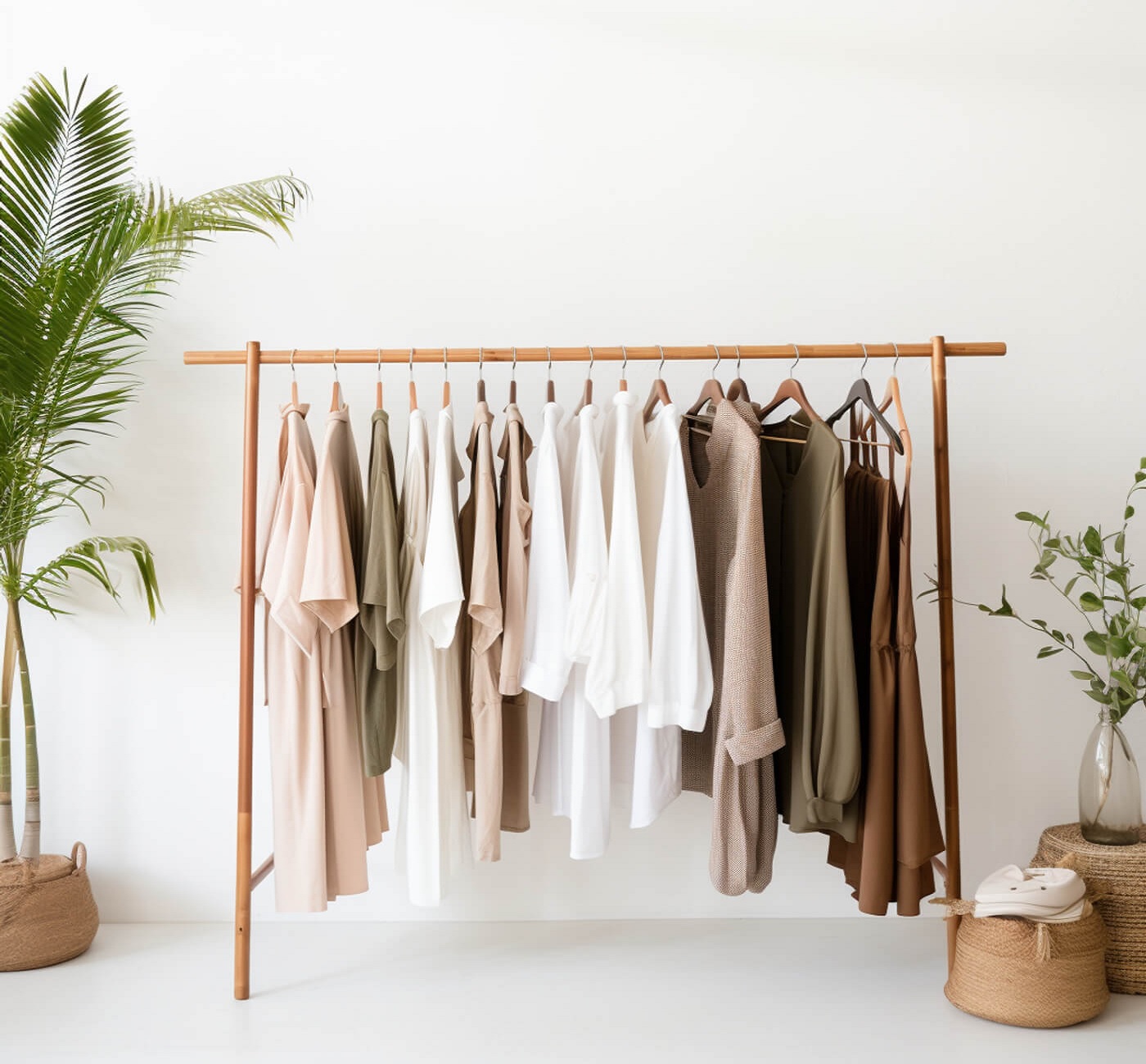
Introduction: More Than Fabric on Skin
Clothing, at first glance, may appear to be merely a practical necessity—a barrier against the elements, a means to preserve modesty. Yet look closer, and you will see that clothing is one of humanity’s oldest and most profound forms of communication. From the silks worn by emperors to the denim jackets of rebellious youth, garments speak volumes about who we are, what we value, and how we wish the world to see us.
Today, in an age of mass production and global trends, clothing continues to evolve as an art form, a social statement, and an industry that shapes economies and cultures alike. To understand clothing is to understand ourselves, layer by layer.
A Journey Through Time: How Clothing Has Shaped Civilizations
Clothing has long served as a marker of social status, profession, and tradition. Ancient Egyptians wrapped themselves in linen, favoring its coolness under the desert sun, while Roman togas proclaimed citizenship and class. Medieval Europe’s sumptuary laws dictated who could wear certain fabrics and colors—royal purple, for instance, was the sole right of monarchs.
Across continents, traditional garments preserve stories of ancestry: the vibrant saris of India, the structured kimono of Japan, the intricately patterned kente cloth of West Africa. Each piece is more than fabric—it is heritage woven into everyday life.
Clothing as a Canvas for Self-Expression
Modern wardrobes, too, are personal galleries. We choose clothes not only for comfort or function but to project identity. A sharp suit might convey professionalism; a flowing dress may suggest romance; ripped jeans and band tees might announce rebellion.
Ways Clothing Reflects the Self:
-
Personality: Bold prints or minimalist monochrome can reveal much about one’s aesthetic.
-
Mood: Bright colors on happy days, muted tones during quiet reflection.
-
Values: Eco-friendly fabrics and ethical brands show commitment to sustainability.
-
Belonging: Uniforms, team jerseys, or fan merchandise unite people in shared identity.
Every choice we make—what we wear to a wedding, a job interview, or even to lounge at home—tells a subtle story.
The Craftsmanship Behind the Seams
Before a garment reaches our closet, it journeys through a fascinating web of design, production, and artistry. High-end fashion houses pour months into sketching, fabric sourcing, and hand-stitching a single couture piece. Even mass-produced items, though industrially made, reflect the work of countless hands and minds—designers, textile workers, pattern cutters, seamstresses.
Key Elements of Quality Clothing:
-
Fabric: Natural fibers like cotton, wool, silk, and linen remain timeless for their breathability and feel.
-
Fit: Good tailoring transforms how a piece flatters the body.
-
Details: Finishes like stitching, buttons, linings, and embroidery distinguish the exceptional from the ordinary.
Quality clothing may come at a higher cost, but its longevity and enduring elegance often make it worth the investment.
Fast Fashion vs. Slow Fashion: The Modern Dilemma
The 21st century has seen an explosion in fast fashion—trendy, affordable garments that cycle from runway to retail at breakneck speed. This democratization of style allows millions to experiment with trends once reserved for the elite.
Yet fast fashion carries a hidden cost: environmental waste, labor exploitation, and fleeting quality. In response, a slow fashion movement has emerged, championing mindful consumption and sustainability.
Principles of Slow Fashion:
-
Buy Less, Choose Well: Invest in fewer, higher-quality pieces that endure.
-
Support Ethical Brands: Seek transparency in sourcing and fair labor practices.
-
Care and Repair: Learn to mend, alter, and care for garments to extend their life.
-
Secondhand and Vintage: Give pre-loved clothing new stories to tell.
This mindful approach reconnects us with the true value of what we wear.
Clothing as Cultural Conversation
Fashion is never created in isolation—it responds to and shapes the world around it. The miniskirt shocked conservative sensibilities in the 1960s, mirroring women’s liberation movements. Punk fashion in the ’70s and ’80s rejected mainstream norms, brandishing safety pins and torn leather as badges of counterculture.
Today, conversations around clothing continue to echo broader social dialogues: gender fluidity in androgynous styles, inclusivity in adaptive clothing, and the return to heritage craftsmanship in response to disposable consumer culture.
Wardrobe Essentials: Building Blocks of Timeless Style
While trends come and go, some clothing staples withstand the passage of time. A well-curated wardrobe balances timeless basics with personal flair.
Enduring Wardrobe Staples:
-
The White Shirt: Crisp, versatile, and universally flattering.
-
The Perfect Pair of Jeans: Comfortable yet stylish—an icon of modern casual wear.
-
The Little Black Dress: Effortless elegance for countless occasions.
-
A Tailored Blazer: Instantly elevates any outfit, from office wear to casual chic.
-
Quality Footwear: Well-made shoes anchor any ensemble in practicality and polish.
When built on classics, a wardrobe can adapt seamlessly to trends without losing its foundation.
Caring for Clothing: A Practice in Respect
A truly stylish wardrobe is not about endless accumulation but thoughtful care. Treating clothing well preserves its form, color, and meaning.
Essential Care Tips:
-
Follow washing instructions to prevent damage.
-
Invest in quality hangers and storage.
-
Rotate items to avoid overuse of favorites.
-
Mend minor damages promptly to prevent further wear.
These small rituals honor the resources, skill, and effort invested in each garment.
Conclusion: Clothing as Living Story
Clothing is so much more than fabric—it is a living narrative, constantly evolving with each generation, each designer’s vision, and each wearer’s story. Whether inherited, newly tailored, thrifted, or self-made, every piece we own threads together personal history and collective culture.
In a world that often rushes us toward the next purchase, the next trend, let us remember that true style is timeless. It lies not in how much we own, but how deeply we understand, cherish, and express ourselves through what we choose to wear.
To dress thoughtfully is, in essence, to live thoughtfully—wrapped in threads of meaning, stitched together by our ever-changing selves.