


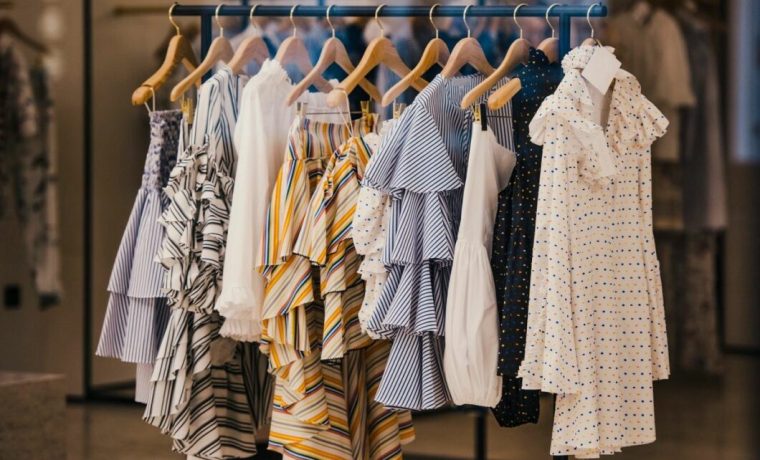
Introduction: Beyond Fabric and Thread
Clothing is far more than a daily necessity. It is a language, a canvas, a protective shield, and a cultural signature all woven into one. Across centuries and continents, what we wear has defined our identities, reflected our values, and traced the trajectory of human progress. In our contemporary world, clothing is undergoing a quiet revolution—becoming more personal, sustainable, and expressive than ever before.
A Brief History: Clothing as Civilization’s Marker
From primitive hides and woven reeds to embroidered silks and digital fabrics, clothing has always told the story of human ingenuity. Early garments served the simple purpose of protection—against nature’s elements and curious eyes. Yet, as societies evolved, so did our attire.
In ancient Egypt, linen signified purity and wealth, while elaborate robes in imperial China marked status and authority. Medieval Europe’s sumptuary laws dictated who could wear velvet or fur, drawing visible lines between classes. Even today, echoes of these traditions linger in ceremonial dress and haute couture, reminding us that clothing has never been mere covering; it is coded meaning.
Fashion and Identity: A Daily Dialogue
To dress is to communicate. Our clothing choices silently declare our tastes, moods, beliefs, and sometimes even our rebellions. Consider the teenager who chooses vintage band tees to express nostalgia, or the professional who dons a sharply tailored suit to convey competence and command respect.
Clothing and Identity Intertwined:
-
Cultural Expression: Traditional garments, such as the Japanese kimono, the Scottish kilt, or the Indian sari, preserve heritage and celebrate communal pride.
-
Personal Branding: For many, a signature style—be it minimalistic, flamboyant, or experimental—becomes a personal trademark.
-
Protest and Empowerment: From the black turtlenecks of the Beat Generation to the pink hats of modern marches, clothing has long served as a subtle yet powerful protest tool.
The Modern Wardrobe: Navigating Fast and Slow Fashion
The 21st century brought forth two conflicting tides: the relentless churn of fast fashion and the growing movement toward mindful, sustainable clothing.
Fast Fashion’s Appeal:
-
Inexpensive trends
-
Constant newness
-
Instant gratification
However, the true cost of fast fashion—excessive waste, exploitative labor, and environmental damage—has nudged many toward more thoughtful choices.
The Rise of Slow Fashion:
-
Quality over Quantity: Investing in timeless pieces that last.
-
Ethical Production: Supporting brands that pay fair wages and provide safe working conditions.
-
Eco-Consciousness: Choosing natural fabrics, recycled materials, and low-impact dyes.
Today’s consumers are increasingly curious about what their garments cost the planet—and who pays the price when the tags are cheap.
The Power of Fabric: Technology and Innovation
While we admire the design, the silent hero of any garment is the fabric itself. Modern textile innovation has unlocked possibilities once confined to imagination.
-
Smart Fabrics: Materials that adapt to body temperature, repel water, or even monitor health vitals.
-
Sustainable Textiles: Organic cotton, bamboo fibers, and regenerated nylon offer earth-friendly alternatives to synthetics.
-
Recycled Fashion: Brands now turn plastic bottles into fleece jackets and discarded fishing nets into swimwear—testament to human creativity in combating waste.
Dressing for Purpose: Function Meets Aesthetic
Practicality and beauty have long danced together in clothing design. What we wear must perform, not just impress.
Examples of Functionality in Clothing:
-
Athleisure: The blurred line between gym wear and street style.
-
Workwear: Tailored pieces that balance comfort with authority.
-
Outdoor Gear: Waterproof jackets, moisture-wicking layers, and temperature-regulating fabrics are feats of thoughtful design.
When function and form meet, clothing transcends the mundane and becomes indispensable.
The Future of Clothing: Conscious, Custom, Connected
So, where is clothing headed? If trends are any guide, the next era promises personalization, circularity, and a deeper fusion of technology.
Emerging Trends:
-
Customization: 3D body scanning and AI design tools make bespoke tailoring accessible to more than just the elite.
-
Circular Fashion: Brands embrace take-back programs and resale platforms to keep garments in circulation longer.
-
Digital Fashion: Virtual clothes for avatars, NFT wearables, and augmented reality try-ons hint at a playful, boundary-blurring future.
Consumers will increasingly demand transparency and traceability—from cotton fields to closet. The story behind what we wear may soon become as important as the garment itself.
Caring for Our Clothes: Extending a Garment’s Life
An often-overlooked aspect of sustainable style is simple garment care. Well-maintained clothes not only look better but also serve longer.
Timeless Care Tips:
-
Wash on cold, air dry when possible.
-
Mend minor tears instead of discarding.
-
Rotate seasonal pieces to prevent wear and tear.
-
Store delicate fabrics properly to avoid damage.
Small actions, multiplied by millions of wearers, can drastically reduce the fashion industry’s footprint.
Conclusion: Clothing as a Reflection of Values
To consider clothing merely fabric is to ignore its poetry, politics, and profound impact. Each day, we wrap ourselves in a set of choices—choices that reflect who we are and what we stand for.
In an age when individuality is prized and sustainability is non-negotiable, clothing becomes not just a statement of style but a testament to our values. Let us wear our clothes consciously—caring not only about how they make us look but also about what they say about the world we wish to shape.
Draped in meaning and stitched with purpose, our clothes are, perhaps, our most visible invitation to see who we are—one garment at a time.